
 See My Latest Article on HelloNation
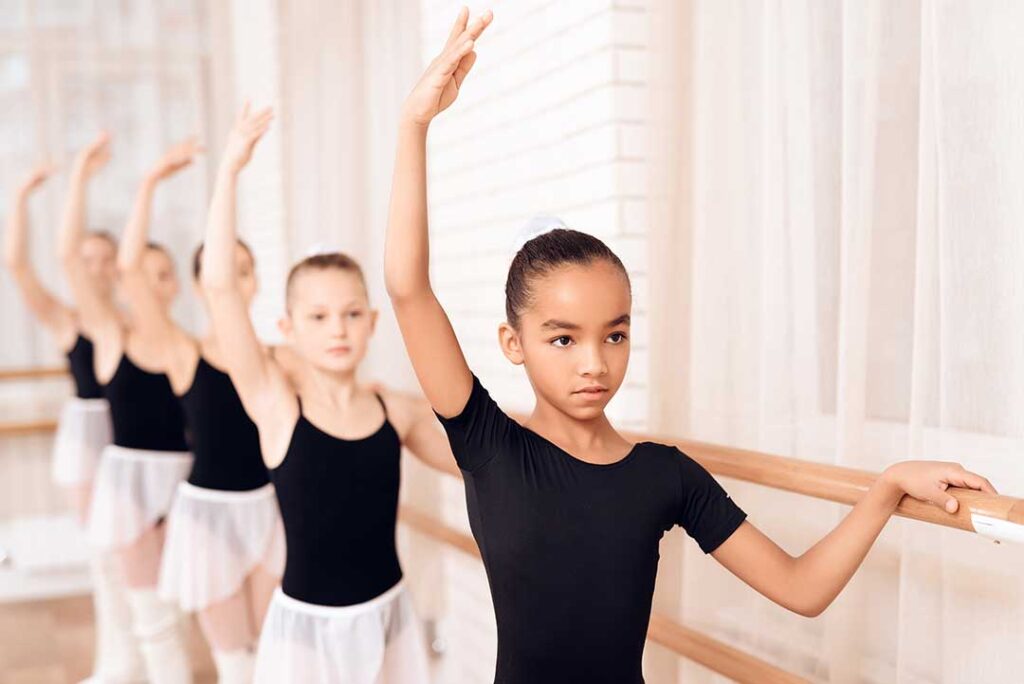
Dance can give children more than technical skills. It can support coordination, confidence, musical awareness, friendships, discipline, and creative expression. Parents play an important role, but the most helpful support usually comes from encouragement, realistic expectations, and attention to the child’s physical and emotional well-being.
How can parents support a child who is beginning dance?
The first step is to learn what your child enjoys about dance and allow that interest to guide participation. Some children are drawn to music and movement, while others enjoy performing, making friends, or learning a structured activity. Their reasons may change over time.
Parents can support a positive beginning by:
- Asking open-ended questions after class rather than demanding a performance review
- Helping the child arrive prepared and on time
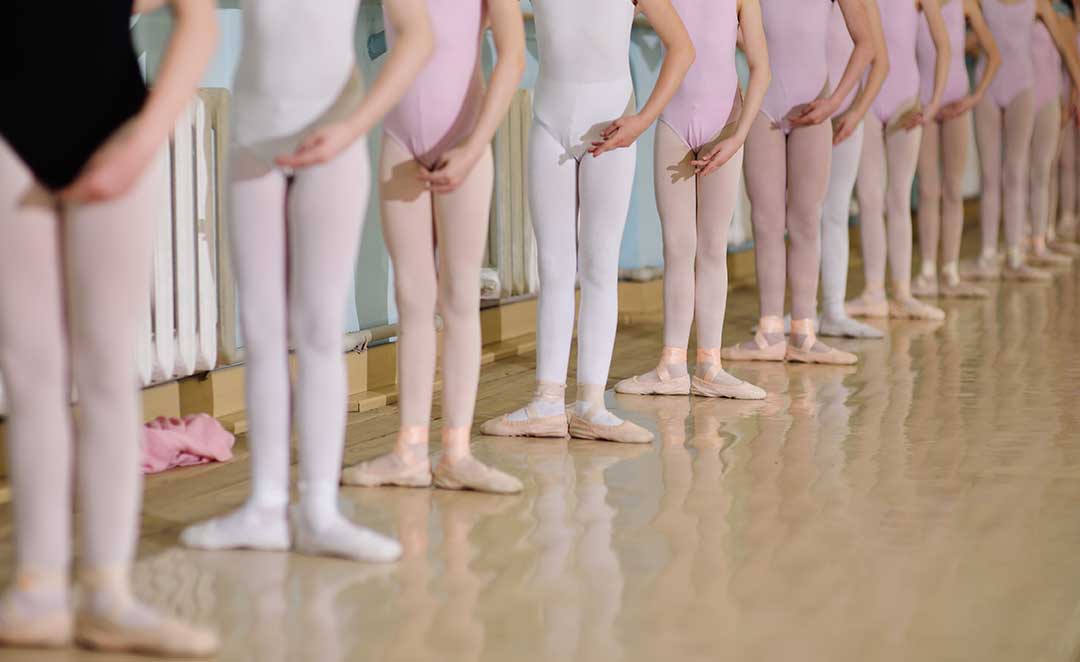
- Providing comfortable clothing and properly fitting dance shoes
- Practicing only when the child is willing and the instructor has suggested it
- Treating early mistakes as a normal part of learning
A child does not need to appear naturally flexible, coordinated, or confident to benefit from dance. Skills develop gradually, and comparing a beginner with a more experienced dancer can create unnecessary pressure.
What should parents look for in a dance environment?
A suitable dance setting should be organized, age-appropriate, respectful, and attentive to safety. Parents may want to observe how instructors speak to students, how classes are grouped, and whether expectations match the children’s developmental levels.
Useful questions include:
- Are students divided by age, experience, or both?
- Does the instructor explain movements clearly and offer modifications?
- Is warm-up time included before demanding activity?
- Are rest, hydration, and bathroom needs handled appropriately?
- How are injuries, discomfort, or emotional concerns addressed?
- Are costumes, performances, competitions, and additional expenses explained clearly?
A healthy learning environment allows children to work hard without being humiliated, frightened, or pressured to ignore pain. Corrections should be specific and respectful. Discipline should teach responsibility rather than create embarrassment.
How much should a child practice at home?
Home practice should reinforce learning, not turn every evening into a lesson. The appropriate amount depends on the child’s age, level, schedule, and goals. For younger dancers, a few minutes of playful movement may be enough. More advanced students may have structured practice assignments.
Parents can make practice more productive by creating a safe, uncluttered space and helping the child focus on one or two clear goals. Examples include remembering a sequence, improving posture, or listening for a particular musical count.
Practice should stop if the child experiences sharp pain, dizziness, unusual weakness, or persistent discomfort. Muscle tiredness may be expected after activity, but pain that changes movement or continues after rest deserves attention.
How can families prevent dance-related injuries?
Injury prevention begins with gradual progress. Children should not be pushed into advanced stretching, jumps, turns, or strength exercises before they have developed the necessary control. Flexibility should never be forced through pain.
Helpful habits include:
- Eating regular meals and snacks that support activity
- Drinking water throughout the day
- Getting sufficient sleep
- Wearing appropriate shoes that fit securely
- Keeping toenails trimmed to reduce discomfort
- Reporting pain early instead of waiting for it to become severe
- Allowing recovery time between demanding activities
Seasonal routines also matter for local families. In colder months, children may arrive from school or outdoor activities with stiff muscles and layered clothing. A gradual warm-up is especially useful before vigorous movement. During warmer weather, hydration and breathable clothing become more important, particularly when travel, outdoor events, or long rehearsals are involved.
If a child has repeated pain, swelling, limping, or a noticeable change in movement, participation should be paused until the issue is properly evaluated. Safety concerns may require guidance from a qualified health professional.
How should parents respond when a child becomes frustrated?
Frustration is common in dance because progress is visible but rarely immediate. A child may understand a movement mentally but lack the strength, balance, timing, or confidence to perform it consistently.
Parents can help by acknowledging the feeling before offering advice. Saying, “That looked difficult today,” may be more supportive than immediately saying, “You need to practice more.” It can also help to focus on progress that is easy to overlook, such as remembering more of a combination, standing with better control, or continuing after a mistake.
Avoid making praise depend only on appearance, winning, advanced skills, or being selected for a featured role. More durable encouragement recognizes effort, persistence, listening, teamwork, and responsible preparation.
A child who wants to stop should be taken seriously. Sometimes the issue is temporary fatigue, a difficult class, social discomfort, or fear of performing. A calm conversation with the child and instructor may clarify the problem. Continuing should be a shared decision, not the result of guilt or pressure.
What role should parents play in performances and competitions?
Performances can be exciting, but they may also bring anxiety. Parents can prepare children by explaining what will happen, helping them organize clothing and belongings, and allowing extra travel time. Familiar routines reduce avoidable stress.
Before an event, children generally benefit from practical reassurance:
- Mistakes are expected and do not ruin a performance
- The goal is to participate safely and confidently
- Other dancers are classmates, not rivals for parental approval
- The audience’s reaction does not measure personal worth
Afterward, ask what the child thought about the experience before offering observations. If the child is upset about a mistake, avoid replaying it repeatedly. A brief, supportive conversation is often more useful than a detailed critique.
For families managing multiple activities, calendars can help prevent over-scheduling. Dance should fit reasonably alongside school, sleep, family responsibilities, and unstructured time.
How can parents support confidence without creating pressure?
Confidence grows when children feel capable, respected, and allowed to improve at their own pace. Parents can encourage confidence by giving children appropriate choices, such as selecting practice times, organizing their dance bag, or deciding whether they want to participate in a low-pressure performance.
Parents should avoid comparing siblings, classmates, or online performers. Dance photographs and videos often show carefully prepared moments and do not represent the full learning process. Children may also have different body types, strengths, learning speeds, and comfort levels.
The most useful message is that dance is something a child can explore, not a test of identity or worth. A child may remain involved for years, take a break, change styles, or decide that another activity suits them better. Each of those outcomes can be part of a healthy childhood experience.
What should families remember as children grow?
A child’s needs change over time. Younger dancers often need help with preparation, routines, and emotional reassurance. Older students may need more independence, realistic planning, and support with balancing training and schoolwork.
Parents can gradually transfer responsibility by teaching children to:
- Pack and check their own dance supplies
- Communicate respectfully with instructors
- Recognize when they need rest
- Describe pain or discomfort accurately
- Set personal goals that are not based only on rankings or roles
- Reflect on what they enjoy and what they may want to change
Supporting a dance journey does not mean managing every detail or ensuring constant achievement. It means creating conditions in which a child can learn, stay safe, handle setbacks, and decide what role dance should have in life.