
 See My Latest Article on HelloNation
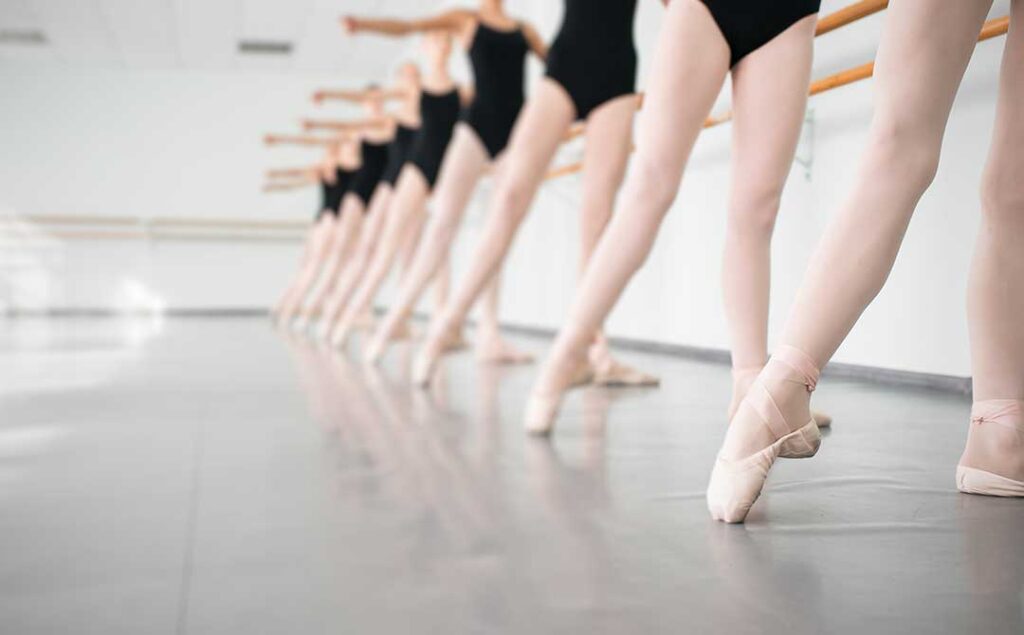
Stage fright is common among dancers of every age and experience level. It can appear as nervousness, a racing heartbeat, shaky legs, forgetfulness, or the sudden feeling that everyone is watching. These reactions do not mean a dancer is unprepared or unsuited for performing. They are normal signs that the body is responding to an important event.
The goal is not always to eliminate nervousness completely. A more realistic goal is to reduce its intensity, understand what causes it, and learn how to perform while some nerves are still present.
Why do dancers experience stage fright?
Stage fright often develops when a dancer feels pressure to perform perfectly. Concern about forgetting choreography, missing a musical cue, falling, or being judged can cause the mind to focus on possible problems rather than the movement itself.
Other factors can contribute:
- Performing in front of unfamiliar people
- Moving from a comfortable studio setting to a larger stage
- Wearing a costume or hairstyle that feels unusual
- Dancing under bright lights
- Comparing personal performance with other dancers
- Having too little time to prepare or too much time to worry
- Feeling tired, hungry, overheated, or dehydrated
Younger dancers may worry about separating from family members backstage, while older dancers may place pressure on themselves because they believe they should appear completely confident. Both experiences are common and can be addressed with practical preparation.
What should a dancer do before performance day?
The most useful preparation is consistent rehearsal under conditions that resemble the performance. Practicing only in a familiar room can make the stage feel more intimidating, so dancers benefit from gradually adding realistic challenges.
A rehearsal plan may include:
- Practicing the routine without stopping after a small mistake
- Performing for a trusted family member or a few friends
- Rehearsing in costume-like clothing when appropriate
- Using the same shoes and hair arrangement expected for the event
- Practicing entrances, exits, spacing, and transitions
- Marking the choreography in a smaller space if the performance area is unfamiliar
- Reviewing musical cues rather than relying only on visual reminders
Dancers should also know the practical details of the event. Understanding where to wait, when to enter, where personal items will be stored, and what happens after the routine can reduce uncertainty. Families in Oak Creek may also need to account for seasonal conditions, such as cold weather during winter performances or warm, humid conditions during summer events. Comfortable layers, water, and extra time for travel can help prevent physical discomfort from adding to nervousness.
How can breathing reduce performance anxiety?
Slow, controlled breathing can help calm the body’s stress response. The technique does not need to be complicated. Before going on stage, a dancer can inhale gently through the nose for four counts, exhale for four to six counts, and repeat several times.
The exhale should be slightly longer than the inhale if that feels comfortable. This can encourage a slower heart rate and reduce the tendency to hold the breath.
Breathing is most effective when practiced during rehearsals, not introduced for the first time backstage. A dancer might use a short routine such as:
1. Relax the shoulders.
2. Place both feet firmly on the floor.
3. Inhale slowly.
4. Exhale while releasing tension in the jaw and hands.
5. Repeat three to five times.
6. Focus attention on the first movement or musical cue.
The purpose is not to force calmness. It is to give the mind and body a predictable action to follow.
What should dancers focus on during the routine?
Trying to think about every step at once can increase anxiety. A dancer may perform more comfortably by choosing one or two simple focus points.
Useful focus points include:
- Listening for the opening musical cue
- Feeling the rhythm instead of watching the audience
- Completing the first movement with control
- Looking toward a fixed point above or beyond the audience
- Remembering the emotional quality of the choreography
- Connecting with fellow dancers through spacing and timing
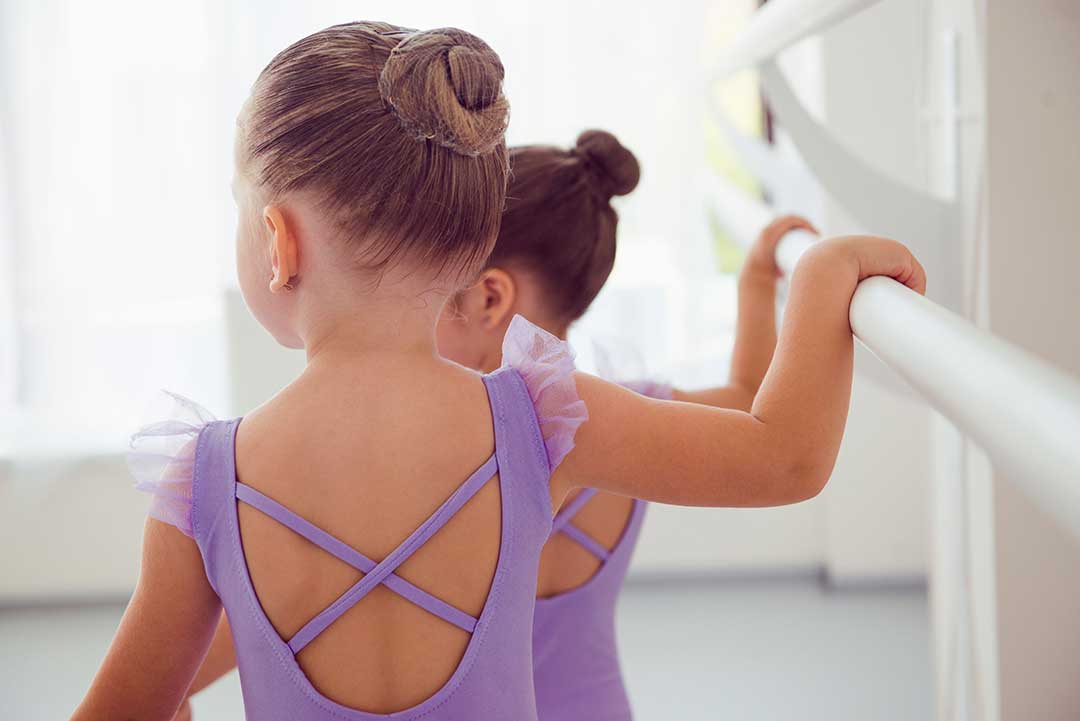
Audience members are usually less focused on small mistakes than performers imagine. They may not notice a missed arm position or a brief hesitation, especially if the dancer continues with confidence. A mistake becomes more disruptive when the dancer stops, reacts visibly, or tries to restart. Continuing safely and returning to the next familiar section is usually more effective.
How should a dancer respond after making a mistake?
A mistake does not automatically ruin a performance. The most useful response is to acknowledge it briefly, recover, and continue.
If a dancer forgets a step, several options may help:
- Follow the rhythm until the next recognizable phrase
- Watch a nearby dancer if the choreography allows it
- Move safely to the next known position
- Keep the facial expression and posture steady
- Avoid apologizing or showing frustration during the routine
Afterward, review what happened without harsh self-criticism. Ask practical questions: Was the problem caused by nerves, spacing, music, fatigue, or unclear preparation? This turns the event into useful information for the next performance.
How can teachers and families support nervous dancers?
Supportive adults can reduce pressure by emphasizing preparation, effort, and recovery instead of demanding perfection. Telling a dancer to “just relax” may unintentionally suggest that nervousness is unacceptable. More helpful language acknowledges the feeling and provides a plan.
Examples include:
- “Nerves show that this matters to you.”
- “You only need to focus on the first part.”
- “If something changes, keep moving and find the next section.”
- “Your job is to dance safely and stay connected to the music.”
- “A performance is an experience, not a test of your worth.”
Adults should also avoid discussing appearance, rankings, or comparisons immediately before the performance. A calm routine—water, a light snack if appropriate, quiet breathing, and a clear check of costume and shoes—can be more valuable than a long motivational speech.
For younger children, a familiar object, a simple backstage routine, or a clear explanation of what will happen next may provide reassurance. Older dancers may benefit from writing down a short performance intention, such as “strong musicality” or “confident transitions,” rather than trying to control every detail.
When does stage fright require additional support?
Normal performance nerves usually improve as the dancer gains experience. Additional support may be appropriate when anxiety consistently prevents participation, causes panic, leads to frequent physical illness, interferes with sleep, or creates intense fear that extends beyond dance performances.
A trusted teacher, parent, school counselor, or health professional can help identify whether the issue involves broader anxiety. This is not a sign of weakness. Persistent fear can be addressed with practical coping strategies and, when needed, appropriate mental health support.
For most dancers, confidence develops gradually through repeated experiences of preparing, performing, making manageable mistakes, and discovering that they can recover. The stage becomes less threatening when it is treated not as a place where perfection must be proven, but as a space to communicate movement, music, and expression.