
 See My Latest Article on HelloNation
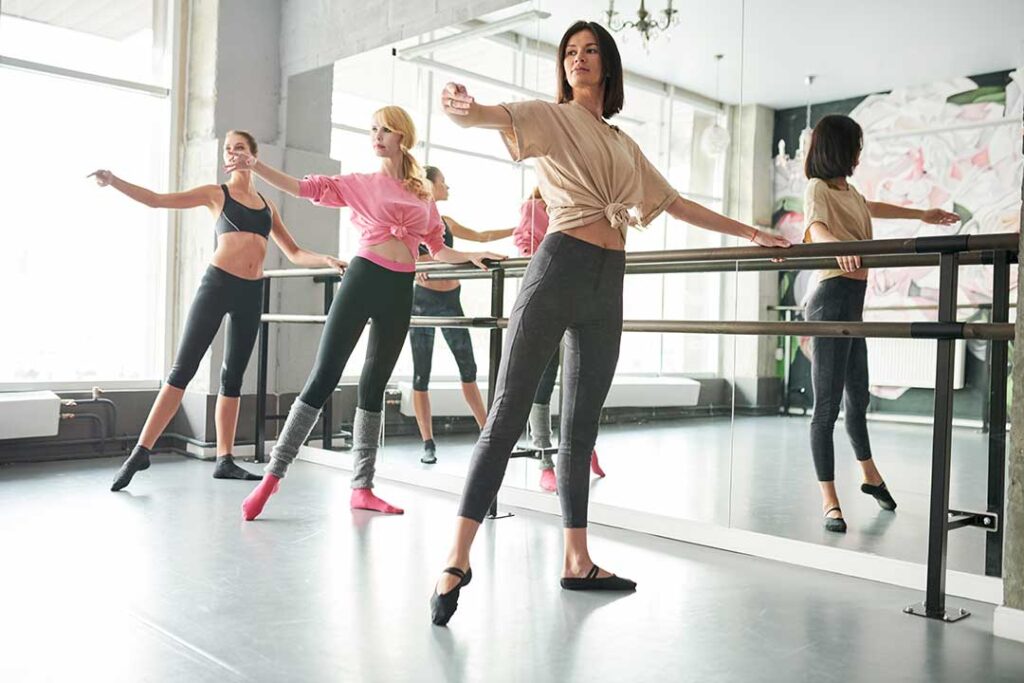
Dancing is more than physical exercise. It combines movement, memory, timing, balance, music, decision-making, and often social interaction. That combination gives the brain several different kinds of work to do at the same time.
For residents of Oak Creek, WI, dance can be a practical indoor activity during cold or icy months, when outdoor walking and recreation may be less convenient. The cognitive benefits do not depend on performing difficult choreography. Learning simple steps, changing direction, keeping rhythm, and staying engaged can all provide meaningful mental stimulation.
What happens in the brain while a person dances?
Dancing activates brain systems responsible for movement, attention, memory, sensory processing, and emotional response. The brain must interpret music or verbal instruction, plan a movement, send signals to the muscles, and adjust rapidly when balance or timing changes.
This makes dance a “multidomain” activity. It is not purely aerobic exercise and not purely mental training. It asks the brain to coordinate several tasks at once.
A dancer may need to:
- Remember the order of steps
- Match movement to rhythm
- Watch or listen for changes
- Control posture and balance
- Adjust to another person’s movement
- Make quick corrections after a mistake
Research reviews have linked dance practice with changes in brain function, movement control, memory, attention, and some measures of brain structure. However, researchers continue to study how large and long-lasting these effects are. ([pubmed.ncbi.nlm.nih.gov](https://pubmed.ncbi.nlm.nih.gov/30543905/?utm_source=openai))
How does dance support memory?
Dance uses both short-term and procedural memory. Short-term memory helps a person hold instructions in mind, such as “step forward, turn, and tap.” Procedural memory helps the body gradually remember how to perform the sequence with less conscious effort.
Repeatedly learning combinations may also strengthen recall by connecting information to rhythm, spatial position, and physical sensation. A step is not remembered only as a word; it is associated with a beat, a direction, and a bodily action.
Studies of older adults have found that dance programs may improve global cognitive function, although results differ by study and by the type of memory being tested. A systematic review found probable benefits for overall cognition and executive function, while evidence for learning and memory was less consistent. ([pubmed.ncbi.nlm.nih.gov](https://pubmed.ncbi.nlm.nih.gov/33338209/?utm_source=openai))
That distinction matters. Dancing is not a guaranteed way to prevent dementia, and it should not be presented as a treatment for memory disorders. It is better understood as one engaging activity that may support cognitive health as part of a broader lifestyle.
Why are rhythm and coordination mentally demanding?
Rhythm gives the brain an external timing system. The body must predict when to move, not merely react after hearing a beat. This involves communication among auditory, motor, and attention networks.
Coordination also requires the brain to combine information from several senses. Vision may track a teacher or partner. The inner ear contributes to balance. Muscles and joints provide information about body position. The brain continuously compares all of these signals and adjusts movement.
This is especially relevant when a dance pattern changes. A person may need to slow down, reverse direction, use a different arm, or move around another dancer. Those adjustments challenge cognitive flexibility, which is the ability to shift between rules or responses.
Can dancing improve attention and executive function?
It may. Executive function includes planning, inhibition, working memory, and the ability to switch between tasks. Dance naturally exercises these skills because movement must be organized while distractions and changes are managed.
For example, a dancer might need to remember the next sequence while ignoring an incorrect movement nearby. In a group setting, the person may also need to maintain personal spacing and respond to cues.
Research involving adults with mild cognitive impairment has reported improvements in areas such as global cognition, attention, recall, and visuospatial ability after structured dance interventions. The studies are encouraging, but many have small sample sizes, varied dance styles, and different schedules. ([pubmed.ncbi.nlm.nih.gov](https://pubmed.ncbi.nlm.nih.gov/34616285/?utm_source=openai))
The likely benefit comes from the combination of movement and mental challenge rather than from a particular style alone.
Does the social side of dancing affect brain health?
Social interaction may add another layer of mental stimulation. Partner and group dancing require people to read cues, anticipate timing, communicate without always speaking, and adjust to someone else’s pace.
Group participation can also support motivation and regular attendance. An activity that is enjoyable and socially meaningful may be easier to continue than an exercise routine that feels repetitive. Continued participation matters because cognitive and physical benefits from activity may lessen when practice stops. ([pubmed.ncbi.nlm.nih.gov](https://pubmed.ncbi.nlm.nih.gov/33278423/?utm_source=openai))
The social component should not be overstated. Dance has not been proven to prevent cognitive decline by itself. Still, it can combine physical activity, learning, music, and social connection in a single setting.
Is dance useful for children, adults, and older residents?
Yes, although the goals may differ.
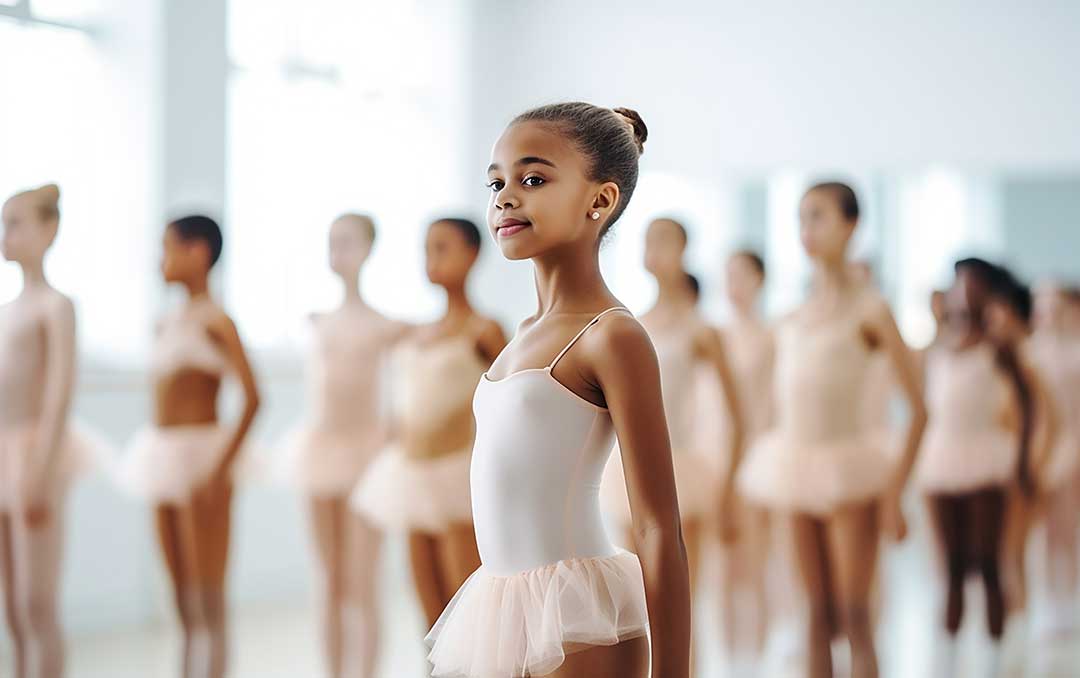
For children, dance can support body awareness, sequencing, listening, and the ability to follow changing directions. For adults, it can provide a structured way to maintain movement and learn new skills. For older adults, balance, memory, mobility, and social engagement may be particularly relevant.
The appropriate pace should match the dancer’s abilities. A beginning class, seated movement session, or simple home routine can still challenge the brain. Complexity is not the same as value. A pattern that is slightly difficult—but not overwhelming—may provide a useful level of mental engagement.
How can local residents make dance part of a realistic routine?
Consistency is generally more useful than occasional intensity. A practical routine might include short sessions several times a week, with enough challenge to require attention but not so much that the activity becomes frustrating.
During winter, indoor dancing can provide movement without depending on sidewalks, parks, or favorable weather. At home, residents can practice basic steps in a clear area away from loose rugs, cords, furniture edges, and slippery surfaces.
Helpful approaches include:
- Learning one short sequence and repeating it
- Alternating familiar movements with new ones
- Using music with a steady, comfortable tempo
- Practicing balance near a stable support when needed
- Taking breaks before fatigue affects coordination
- Choosing low-impact or seated options when joints or balance require them
Anyone with significant dizziness, repeated falls, chest symptoms, or a medical condition affecting movement should ask a qualified health professional how to exercise safely.
What should people realistically expect?
Dance can give the brain a rich combination of aerobic activity, coordination, memory practice, sensory processing, and social engagement. Research supports potential benefits for cognition and brain function, but it does not show that dance is a guaranteed protection against dementia or that it is superior to every other form of exercise.
The most realistic expectation is that regular dancing can help maintain an active body and an engaged mind. Its value comes from making movement cognitively interesting—especially when the activity is enjoyable enough to continue through changing seasons and daily routines.