
 See My Latest Article on HelloNation
What Are the Common Types of Dance Classes for Kids?
Children in Oak Creek, WI can explore a variety of dance styles. The most widely offered types include ballet, tap, jazz, hip-hop, lyrical, and creative movement. Each style supports different interests and physical skills:
- Ballet focuses on technique, posture, and flexibility. It’s often recommended for beginners because it builds foundational movement.
- Tap uses rhythmic footwork and is enjoyable for children who like music and sound.
- Jazz involves energetic movement and is often paired with popular music.
- Hip-hop is more informal and emphasizes personal style and rhythmic movement.
- Lyrical blends ballet and jazz, appealing to children interested in expressive storytelling through dance.
- Creative movement is tailored for younger children, encouraging imagination and coordination in a playful setting.
Local parents typically find that younger children start with creative movement or ballet and expand into other styles as they grow and discover their preferences.
How Does Age Impact Class Selection?
Age is one of the most important factors in choosing an appropriate dance class. Dance studios across the city commonly group classes by narrow age ranges to match developmental stages.
- Ages 2-4: Toddlers generally start in creative movement or introductory ballet, focusing less on technique and more on fun, motor skills, and social interaction.
- Ages 5-7: Kids begin learning more dance vocabulary in beginner ballet, tap, or combo classes that introduce several styles.
- Age 8 and up: Dancers can usually select style-specific classes or move to higher levels, gradually introducing more complex routines and vocabulary.
If a child is new to dance but outside the typical age for entry-level classes, many Oak Creek studios are flexible and will help place students where they’ll feel appropriately challenged and welcomed.
What Should Parents Consider About Scheduling and Commitment?
Most dance classes for children follow the local school-year calendar, with a break for summer and short holiday closures. Families in the community should weigh the following scheduling details:
- Weekday afternoon and early evening classes are common to fit the work and school schedules of area households.
- Dance classes usually meet weekly, with an average session lasting 45 minutes to one hour.
- Some dance schools expect participation in recitals or performances, which require additional rehearsal time—particularly in late spring.
- Level of commitment can range from a light, once-per-week class to pre-professional tracks with several days of practice.
Choosing a class that fits into the family’s routine helps children stay enthusiastic and reduces burnout or schedule-related stress.
How Do Parents Know What Class Level Is Right For Their Child?
Class placement typically depends on both age and experience. Placement guidelines help ensure each child feels comfortable with the material without being bored or overwhelmed.
- Beginners, regardless of age, often start in entry-level classes to build basic technique and confidence.
- Experienced dancers who are new to a local program may be assessed by instructors, who watch a short demonstration or ask about past experience before recommending a class.
- Parents should communicate openly about the child’s previous dance exposure, athletic activities, and concerns to help instructors advise appropriately.
It's common for local programs to adjust placement as the year progresses to match the dancer’s developing skills and interest.
What Role Does Personality and Learning Style Play?
Every child responds differently to group activities. Outgoing children may thrive in bigger, lively classes, while those who prefer quiet may enjoy smaller or less structured environments.
For children who are shy or sensitive to noise, parents may seek out introductory classes with smaller groups or programs known for a gentle approach. Conversely, highly energetic or social children might benefit from styles like hip-hop or jazz that encourage expressiveness and group interaction.
Sampling different class types or attending trial sessions can help children discover what feels most enjoyable and comfortable.
What Should Children Wear to Their First Class?
Most studios maintain guidelines for class attire to support safety and freedom of movement, though these expectations can vary by style and age.
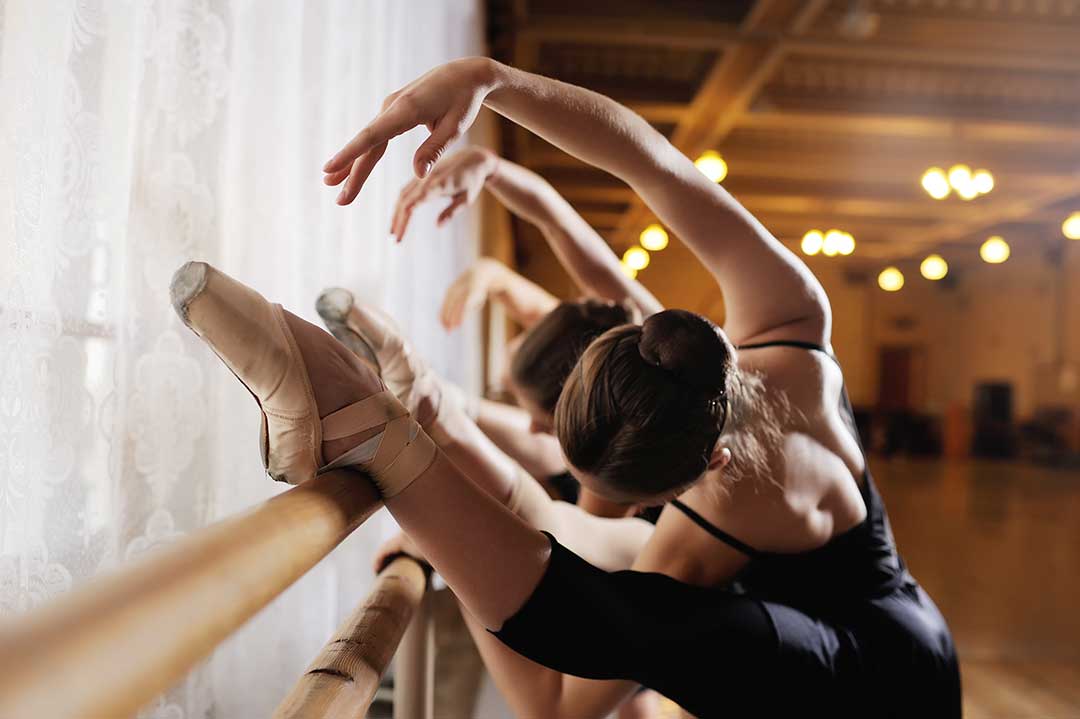
- Ballet: Leotards, tights, and ballet slippers are standard.
- Tap: Comfortable clothing with tap shoes.
- Hip-hop: Athletic wear and clean sneakers.
- General/creative classes: Stretchy, close-fitting clothes that won't trip dancers. Socks or bare feet may be allowed.
Area parents often find it helpful to review clothing requirements ahead of time, as proper gear helps children participate fully and confidently from the first day.
What Are Some Overlooked Factors When Choosing a Dance Class?
A few details are frequently missed but can make a difference in children's enjoyment and families' satisfaction:
- Watch a class in session to observe the teaching style, classroom atmosphere, and how instructors interact with students.
- Consider travel distance during winter months, when snow or icy roads in Oak Creek may impact commuting time.
- Ask about missed-class policies, which can be particularly relevant during seasons when children are adjusting to school schedules or tending to illnesses.
- Check whether the program is recreational or competitive. Recreational tracks promote skill and fun, while competitive teams require more commitment, expenses, and travel.
Paying attention to these practical details can reduce surprises, helping families make informed choices.
How Do Families Gauge Long-Term Fit and Child Enthusiasm?
An initial burst of interest doesn't always mean lasting engagement. Parents are encouraged to check in with their children after a few lessons, asking questions such as:
- "Was there anything you especially liked or didn’t like?"
- "Are you excited to go back next week?"
- "Did you make any new friends?"
Paying attention to a child’s enthusiasm over time lets families adjust to a different class or style if interests shift. Growth in confidence, routine enjoyment, and a sense of belonging are often reliable indicators that a class is well matched.