
 See My Latest Article on HelloNation
What Are the Most Common Styles of Dance Taught Today?
Most dance studios in Oak Creek, WI and surrounding areas offer instruction in several foundational styles of dance. These include ballet, jazz, tap, hip hop, contemporary, lyrical, and ballroom. Each style has unique techniques, rhythms, and cultural histories, making them suitable for various ages and abilities.
Ballet: The Foundation of Many Forms
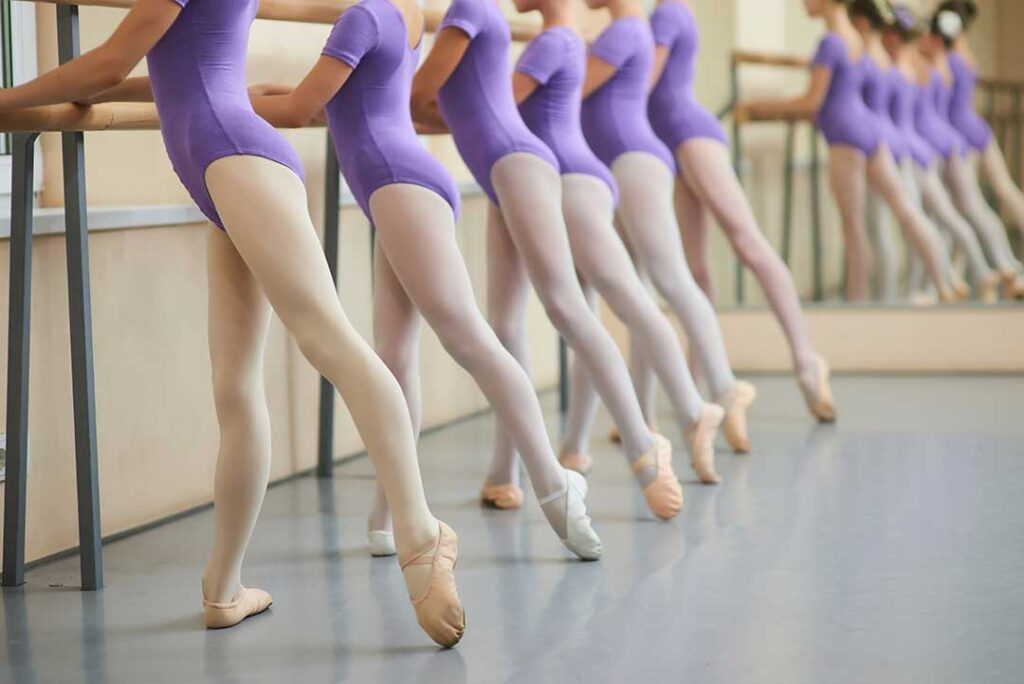
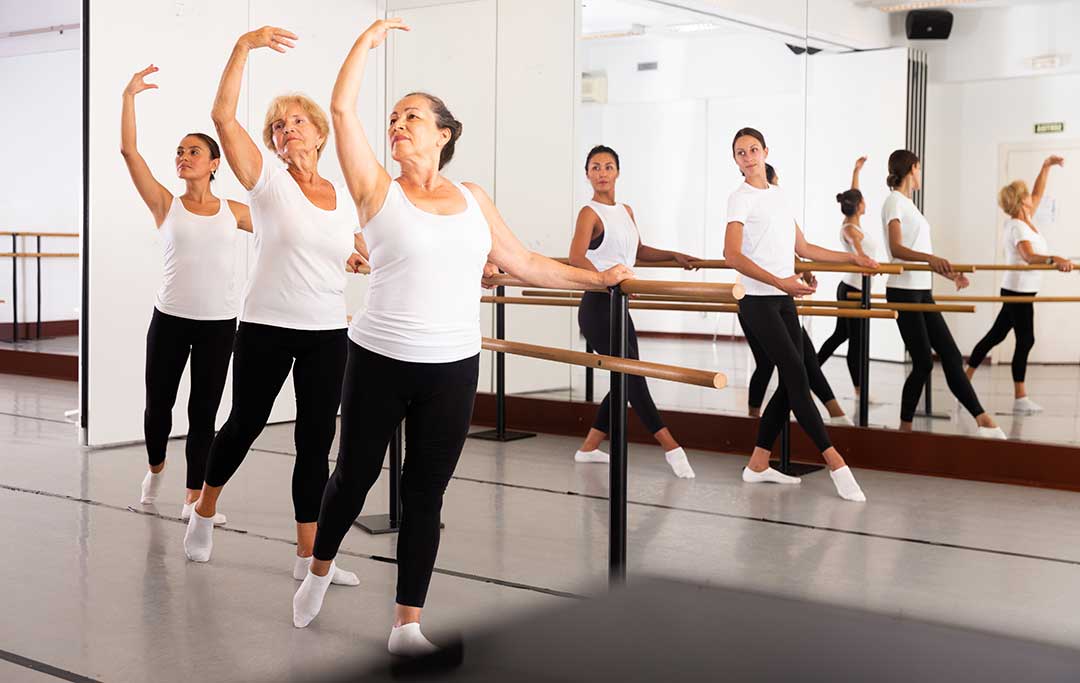
Ballet focuses on grace, precise technique, and discipline. It’s recognizable by its structured positions, light leaps, and flowing arm movements. Many families choose ballet for young children due to its structured learning and the emphasis on posture, balance, and flexibility. Adult classes are common for strength, fitness, and stress relief.
- Practice often involves barre work, floor exercises, and choreography
- Ballet is considered the building block for learning other dance forms
Common misconception: Ballet is only for children or professionals. In reality, people of all ages study ballet for exercise, balance, or pure enjoyment.
Jazz: Energetic and Dynamic Expression
Jazz dance is energetic and often set to popular or theatrical music. It emphasizes rhythm, quick movement, turns, and stylized footwork. Oak Creek households interested in upbeat, expressive movement often find jazz classes engaging and approachable.
- Moves include kicks, leaps, and isolations (moving one part of the body independently)
- Jazz borrows from ballet but is typically less rigid
Jazz is frequently seen in musical theater, films, and live performances.
Tap: Creating Rhythm with the Feet
Tap dancing turns the feet into percussion instruments. Special shoes with metal plates create distinctive sounds and rhythms. Tap classes are popular with children for their fun, approachable style, but adults often enjoy the mental workout and coordination benefits.
- Students learn combinations of steps to produce rhythmic sounds
- There are two main styles: Broadway tap (more theatrical) and rhythm tap (focused on sounds and beats)
Tap can be enjoyed solo or as part of a group, making it both a personal and social activity.
How Do Hip Hop and Contemporary Dance Differ?
While both hip hop and contemporary are modern styles, their movements, origins, and teaching methods vary considerably.
Hip Hop: Street Dance Roots and Creative Freestyle
Hip hop is grounded in self-expression and improvisation. Movements tend to be energetic, athletic, and rhythmic, ranging from fast footwork to dramatic freezes. Many local residents appreciate hip hop's community feel, with classes often including cyphers (freestyle circles) and group routines.
- Focus is on groove, musicality, and freestyle
- Popular with children, teens, and adults
- Draws influences from breakdancing, popping, and locking
A misconception is that hip hop is only high-energy; in practice, it also includes slower, isolated movements and storytelling.
Contemporary: Blending Technique and Emotion
Contemporary dance combines elements of ballet, jazz, and modern dance. It often emphasizes storytelling, emotion, and creative movement, with fewer strict rules. Local youth and adults who appreciate expressive, interpretive arts are drawn to contemporary classes for their focus on individuality and emotional connection.
- Includes floor work, improvisation, weight shifts, and sometimes partnering
- Choreography may blend ballet lines with bold, grounded movements
Contemporary is common in dance recitals, competitions, and even college-level dance programs.
What About Ballroom and Social Dance?
Ballroom and social dance styles are an option for those interested in learning partnered dances, often shown at weddings, social events, and organized dances.
Ballroom: Formal Paired Dances
Ballroom includes dances such as the waltz, tango, foxtrot, and quickstep. These dances are structured, elegant, and require working closely with a partner to coordinate steps, posture, and timing. Lessons are popular for couples preparing for special occasions or for those seeking a fun, sociable hobby.
- Emphasizes posture, spatial awareness, and teamwork
- Often taught to music with set tempos and steps
Ballroom also covers Latin styles such as cha cha, rumba, salsa, and samba, known for their upbeat rhythms and faster footwork.
Social Dance: From Line Dancing to Salsa
Social dance covers a wide range of partner and group dances enjoyed at parties and community events. Popular choices in the community might include line dancing, swing, salsa, or country two-step. These styles stress enjoyment, inclusion, and participation over technical perfection.
- Typically easier to learn and adapt for all experience levels
- Great option for residents seeking community connection and physical activity
How Should Residents Choose a Dance Style?
Selecting a style comes down to personal interest, physical capability, and learning preferences.
- Ballet and jazz are structured, great for learning techniques and building a foundation
- Hip hop offers maximum creativity and is often less formal in structure
- Contemporary suits those drawn to expression and narrative movement
- Tap is a good option for rhythm and coordination
- Ballroom and social styles bring a community aspect and are ideal for those who enjoy partner work
A practical tip: Try an introductory class or open studio session. Age, fitness level, and musical taste all play a role. Many adults discover dance for the first time later in life, while young children start with foundational classes.
Do Local Conditions in Oak Creek Affect Dance Participation?
The climate and lifestyle in Oak Creek can influence how and when residents engage with dance.
- Winter seasons may increase enrollment in indoor activities such as dance, keeping youths and adults active in colder months
- The city’s family-friendly suburban layout makes group community activities such as dance appealing
- Local schools and community centers sometimes feature performances, building participation and appreciation
Understanding these local routines helps new dancers feel part of a supportive environment. Dance is accessible for most age groups and physical abilities, with accommodations typically available.
Are There Less Common Styles Worth Exploring?
In addition to the main categories, other dance forms occasionally offered or requested in the city include:
- Irish step: Fast footwork, often performed in groups
- Flamenco: Spanish dance with dramatic arm and foot movements
- Bollywood: Colorful, story-driven style rooted in Indian cinema
- Cultural and folk dance: Celebrating heritage and traditions
These are taught less frequently but provide a connection to global cultures and unique music traditions. They can be a way for families to explore their background or simply enjoy something outside of the mainstream.