
 See My Latest Article on HelloNation
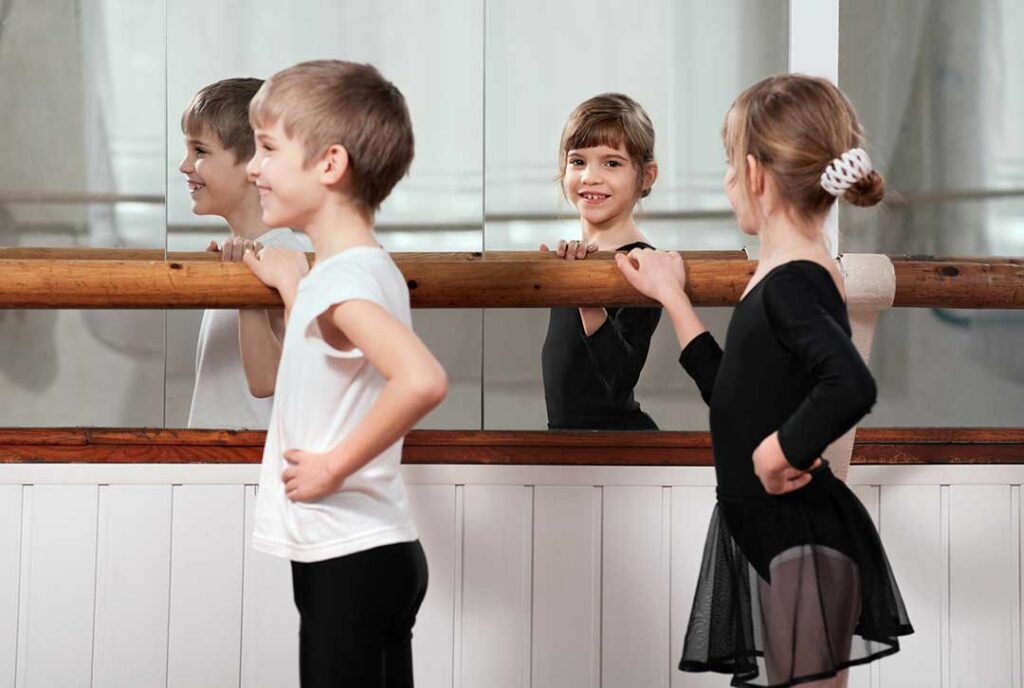
Starting dance at home can help beginners build confidence, coordination, strength, and rhythm between studio classes. The most productive practice sessions do not require a large room or expensive equipment. They require a safe surface, a clear plan, and a few focused minutes of consistent movement.
How much space does a beginner dancer need at home?
Most beginners can practice effectively in an area about the size of a small bedroom or open section of a living room. The space should allow the dancer to extend both arms, take several steps, and turn without hitting furniture, walls, or overhead fixtures.
Before practicing:
- Move coffee tables, toys, floor lamps, and loose rugs out of the practice area.
- Check that the floor is dry and free of debris.
- Keep pets, younger children, and other distractions away during movement exercises.
- Avoid practicing jumps directly over hard objects or near sharp furniture edges.
- Use a wall only for light balance support, never for forceful pushing or leaning.
Homes in Oak Creek may have different floor surfaces, including hardwood, laminate, carpet, and tile. Each surface affects movement. Hardwood and laminate can become slippery, while carpet may catch the feet during turns. Tile can be hard on the knees and ankles. A clean, stable surface with enough traction is generally safer than practicing on a highly slippery or uneven floor.
What should a beginner do during a short practice session?
A simple 15- to 25-minute routine is enough for most beginners. A useful session includes a warm-up, technique practice, movement review, and a cool-down.
1. Warm up for five minutes
Begin with gentle movement rather than stretching cold muscles. March in place, roll the shoulders, circle the ankles, bend and straighten the knees, and slowly move the arms through different positions.
The goal is to increase circulation and prepare the joints. Warm-ups should feel comfortable, not exhausting. Fast jumping or deep stretching at the beginning of practice can place unnecessary stress on muscles that are not ready.
2. Review one or two skills
Choose a small number of skills from class or a beginner lesson. Examples include:
- Basic ballet positions
- Step-together patterns
- Marches and simple skips
- Weight transfers
- Chassés or side-traveling steps
- Arm positions and coordination exercises
- Counting music in groups of eight
Repeating a few skills carefully is usually more useful than attempting a long routine without control.
3. Practice a short combination
Use a combination that is familiar enough to remember but still requires attention. Start slowly without music. Once the sequence feels organized, add music at a comfortable speed.
If the combination includes turns, jumps, or quick direction changes, reduce the size of the movement. A beginner should be able to stop safely and maintain balance before increasing speed.
4. Cool down for several minutes
Finish with slow walking, relaxed breathing, and gentle stretches for the calves, thighs, hips, shoulders, and back. Stretching should create mild tension but never sharp pain. Holding a comfortable stretch for about 15 to 30 seconds is usually sufficient for a beginner.
How can beginners improve rhythm and musicality?
Rhythm improves through listening as much as through movement. A beginner can practice by identifying the steady beat before attempting steps.
Try these exercises:
- Clap evenly along with the music.
- Count out loud in groups of eight.
- Walk to the beat while keeping the shoulders relaxed.
- Tap one foot on the beat and clap a different rhythm.
- Listen for changes in tempo, volume, and musical accents.
Many beginners move too quickly because they focus on memorizing the steps. Counting aloud can make the timing clearer. It is also useful to practice without music first, then add music after the order and direction of the steps are secure.
Music volume should remain low enough for the dancer to hear instructions, household sounds, and signs of fatigue. Headphones may make it harder to notice the environment, especially when practicing near other people.
Should beginners practice in front of a mirror?
A mirror can help with posture, arm placement, and body alignment, but it should not be the only way to practice. Beginners sometimes stare at their reflection and lose awareness of musical timing or physical sensation.
Use a mirror briefly to check:
- Whether the shoulders are level
- Whether the knees track in the same direction as the toes
- Whether the back is comfortably upright
- Whether the arms are placed evenly
- Whether the head and eyes are aligned with the movement
Then turn away from the mirror and repeat the skill using memory and body awareness. If a full-length mirror is unavailable, a short video recording can show whether movements are controlled and whether the dancer is rushing.
Video should be used as a learning tool rather than a way to judge appearance. Look for specific details such as balance, timing, posture, and safe landings.
How often should a beginner practice?
Short, regular practice is usually more manageable than occasional long sessions. Two or three focused sessions per week can support steady progress, especially when combined with regular classes.
A practical schedule may include:
- One session reviewing class material
- One session working on rhythm and coordination
- One session repeating a short combination and practicing transitions
Rest days allow the body to recover. Young dancers may need additional rest during growth spurts, after unusually demanding classes, or during busy school and activity schedules. Practice should stop if pain changes the way the dancer moves.
Normal effort may cause warmth, mild muscle fatigue, or temporary stiffness. Sharp pain, swelling, joint instability, numbness, or pain that continues after practice is a reason to stop and tell a parent, guardian, instructor, or health professional.
What should beginners wear for home practice?
Comfortable clothing that allows free movement is usually enough. Clothing should not be so loose that it catches on furniture or hides the position of the knees and feet.
Bare feet may be appropriate for some floor-based exercises, but not for every style or surface. Socks can slide on smooth floors. Street shoes should not be worn indoors for dance practice because they can bring in debris and may not provide suitable support.
Dance shoes should be used only when appropriate for the floor and activity. Hard-soled shoes, taps, or shoes with strong traction can damage flooring or increase the risk of slipping if used on an unsuitable surface.
Which beginner mistakes are most common?
The most common problem is trying to advance before the basic movement is controlled. Beginners may focus on speed, height, or complicated choreography while overlooking alignment and balance.
Other frequent mistakes include:
- Locking the knees during standing exercises
- Turning from the knees or ankles instead of coordinating the whole body
- Landing jumps with stiff legs
- Practicing on a slippery surface
- Holding the breath during difficult movements
- Repeating a mistake without slowing down to correct it
- Comparing progress with videos of experienced dancers
A better approach is to reduce the movement, slow the tempo, and repeat one detail at a time. Quality practice builds habits that are easier to maintain in class.
How can families support practice at home?
A calm routine helps beginners stay consistent. Families can provide a clear practice area, help remove hazards, and encourage effort without pressuring the dancer to perform perfectly.
For children, an adult should be nearby during jumping, turning, or balance exercises. Practice can be scheduled before the household becomes busy, with a timer used to keep sessions short and manageable.
In homes with shared walls or downstairs neighbors, quiet exercises are a considerate choice during early or late hours. Marking steps with walking patterns, arm movements, rhythm work, and controlled rises can develop technique without repeated stomping or jumping.
The strongest home practice habit is simple: choose one or two skills, work slowly, stay aware of the body and surroundings, and stop before fatigue causes technique to break down.