
 See My Latest Article on HelloNation
How Does Dance Affect Mental Health in the Oak Creek, WI Community?
Dance can have a substantial positive impact on mental health for people of all ages. In a community-focused city like Oak Creek, where seasonal changes and varying lifestyles influence daily routines, dance provides a unique space for emotional expression, social connection, and stress relief. Research consistently finds that engaging in regular dance, regardless of skill level, can help reduce symptoms associated with anxiety, depression, and chronic stress.
For residents who spend much of the winter indoors or experience changes in mood during the darker months, dance offers physical movement that also stimulates endorphin release—the body's natural mood elevators. This combination of movement, rhythm, and creativity has made dance an appealing outlet for many area households.
What Mental Health Benefits Are Associated With Dance Participation?
Dance contributes to well-being in several evidence-based ways:
- Stress reduction: Moving to music helps lower cortisol (stress hormone) levels, leading to a more relaxed state.
- Enhanced mood: Dance triggers endorphins and dopamine, creating feelings of joy and satisfaction.
- Improved social connections: Classes or group dance provide regular opportunities for socializing and team-building, reducing feelings of isolation.
Practically, the structure and positive atmosphere of a dance setting support local residents who may feel disconnected, especially during transitional periods like moving, job changes, or the shift from remote work back to in-person life.
Can Dance Help With Anxiety, Depression, or Loneliness?
Yes, dance can play a supportive role for those coping with mild to moderate anxiety, depression, or loneliness. While it is not a replacement for clinical treatment in severe cases, area educators and researchers point out several ways dance can help:
- Routine and commitment: Having a regular class or practice time creates structure, which is often helpful for those struggling with mental health issues.
- Self-expression: Dance encourages participants to express emotions physically, offering a positive outlet that verbal activities may not provide.
- Sense of accomplishment: Learning new movements, mastering choreography, or simply showing up and participating instills confidence and self-worth.
In Oak Creek, options for community-based recreation and group activities can vary, especially for residents who are new or live alone. For many, joining a dance group is a straightforward way to connect with others and combat feelings of loneliness.
Do Specific Styles of Dance Impact Mental Health Differently?
Different forms of dance engage the brain and body in unique ways, which may influence mental health experiences. For example:
- Ballet and contemporary: These often focus on discipline and emotional storytelling, which some find therapeutic.
- Ballroom or partner dances: Emphasize connection and trust between participants, helping foster social bonds.
- Hip-hop or jazz: These high-energy styles can be especially good for mood improvement and self-confidence due to their expressive nature.
Local residents often appreciate a style that matches both their physical needs and personality—whether they're seeking something meditative and slow, or dynamic and social.
How Accessible Is Dance as a Tool for Well-Being in Oak Creek Households?
Dance is broadly accessible regardless of age, ability, or experience level. Community spaces, recreation centers, and school programs can offer opportunities regardless of income, background, or physical limitations. For example:
- Many venues provide beginner and adaptive classes, making it possible for those with no dance background or limited mobility to participate.
- Families can dance at home with online videos during the coldest months, keeping spirits high and bodies active.
- Intergenerational community events often include social dance components, helping area residents bridge generational divides.
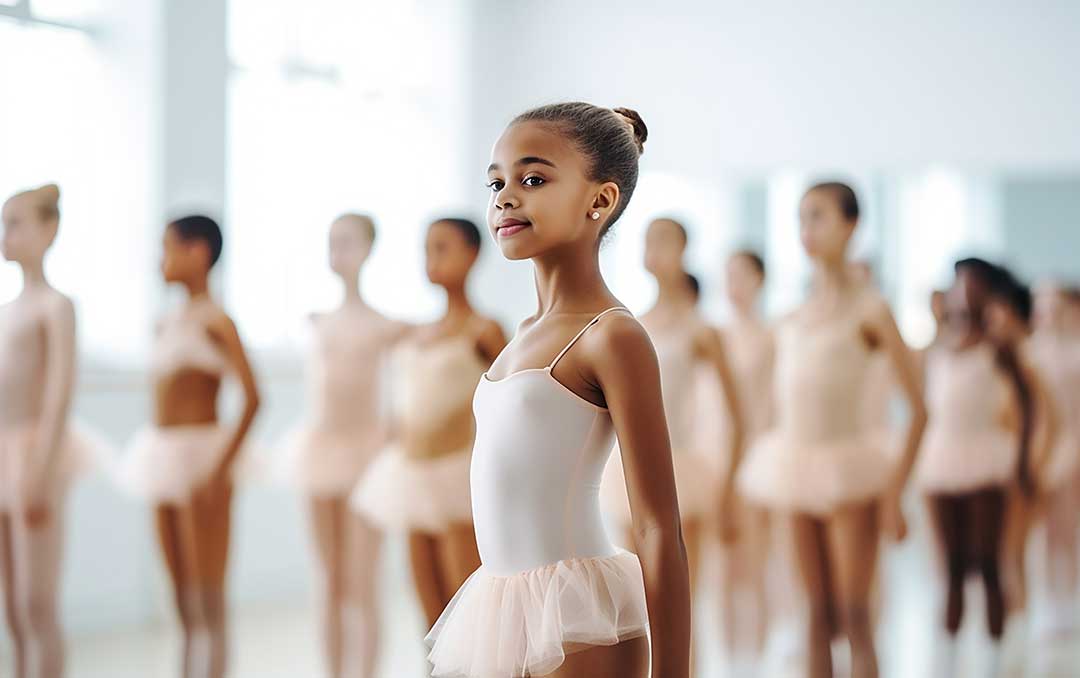
It is a misconception that one must be an experienced or skilled dancer to benefit. The mental health advantages come from participation, not perfection.
What Should Area Residents Know About Practicing Dance Safely for Mental Health?
To safely enjoy dance’s mental health benefits, local residents should:
- Make sure movements are appropriate for personal fitness and health conditions.
- Allow time for warming up and cooling down, especially during winter when indoor environments differ from the outdoors.
- Listen to their bodies and take breaks when needed.
Engaging in any physical activity should be approached with care, especially for anyone with underlying medical or mental health conditions requiring supervision. However, for most area households, dance can be modified to suit individual needs, making it both safe and effective as a mental health resource.
What Overlooked Social Benefits Connect Dance and Community Well-Being?
Participating in dance can enrich broader community well-being in Oak Creek by:
- Creating intergenerational and multicultural experiences, as many events include diverse age groups and backgrounds.
- Encouraging routine, healthy, screen-free gatherings, especially for school-age children and seniors during periods of social isolation.
- Supporting non-competitive group activities, which promote positive relationships and community trust.
These qualities contribute to a stronger, more resilient city, especially through challenging weather seasons or when routines change.