

 See My Latest Article on HelloNation
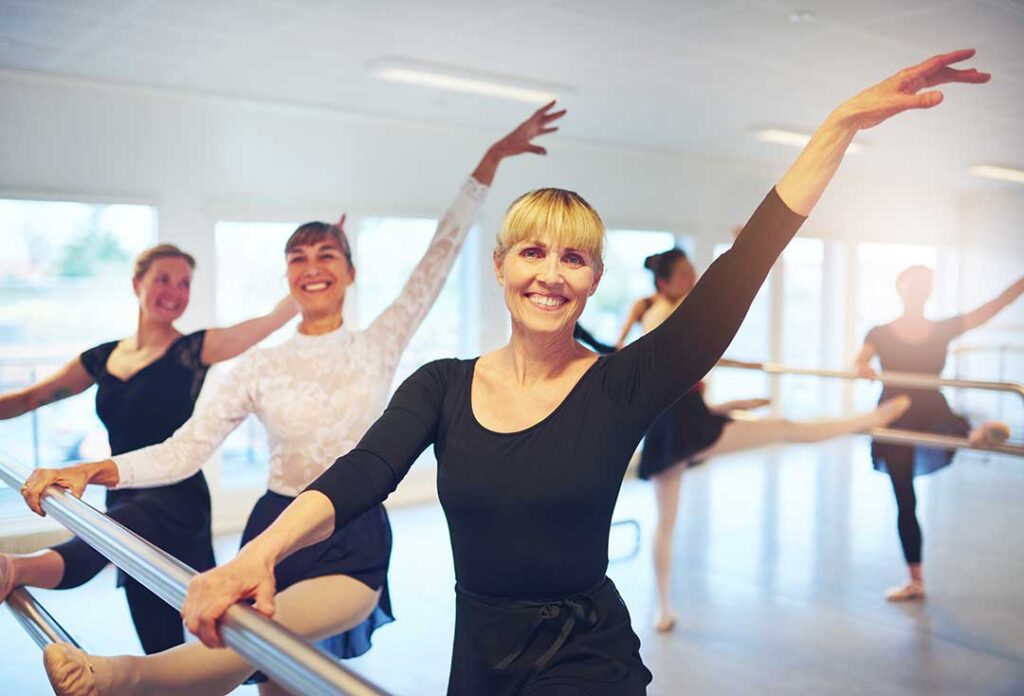
Stretching is a useful part of dance education, but it is not simply about becoming more flexible. A well-planned stretching routine can help dancers move with greater control, prepare their bodies for activity, and recognize the difference between productive effort and harmful strain.
Why does stretching matter in dance?
Stretching helps dancers develop the range of motion needed for movements such as extensions, deep pliés, arabesques, jumps, turns, and floor work. It can also improve body awareness, making it easier to notice alignment, muscle tension, and changes in balance.
Flexibility is only one part of physical readiness. Dance also depends on strength, coordination, stability, rhythm, and control. A dancer who can move into a deep position but cannot support that position safely may be at greater risk of injury than a dancer with slightly less flexibility and better control.
For children, teenagers, and adults in Oak Creek, stretching can be especially helpful when practice schedules change with the seasons. Colder weather may leave muscles feeling stiff before class, while indoor routines, long periods of sitting, or reduced outdoor activity can affect how the body feels during movement.
Should dancers stretch before or after class?
The type of stretching matters. Dynamic movement is generally more appropriate before active dance, while longer held stretches are often better after the body is warm or during a separate flexibility session.
Before class, dancers may use controlled movements that gradually take joints through their available range. Examples include:
- Gentle leg swings with support
- Walking lunges
- Arm circles
- Slow ankle movements
- Controlled knee lifts
- Light dance-specific movements at low intensity
These activities raise body temperature and prepare the nervous system for movement without asking cold muscles to hold an extreme position.
After class, when the body is warm, dancers may use static stretches. These involve moving into a comfortable position and holding it steadily for a period of time. Static stretching should create mild tension, not sharp pain, numbness, tingling, or a feeling that a joint is being forced.
A few minutes of easy movement before stretching can be helpful, particularly during colder months or after a long day of school, work, or sitting.
Can stretching prevent dance injuries?
Stretching may support healthy movement, but it cannot prevent every injury. Dance injuries can result from many factors, including sudden increases in training, poor landing mechanics, inadequate rest, weak supporting muscles, unsuitable footwear, fatigue, or repeating the same movement too often.
Flexibility can be useful when it is combined with strength and coordination. For example, a dancer performing a high leg extension needs enough mobility to reach the position, but also enough hip, abdominal, back, and standing-leg strength to control it.
A balanced approach includes:
- Gradually increasing practice time and difficulty
- Warming up before demanding movement
- Building strength through age-appropriate exercises
- Allowing rest between challenging sessions
- Practicing proper alignment and landing technique
- Paying attention to persistent soreness or changes in movement
Stretching should support training rather than compensate for excessive training.
How long should a dance stretch be held?
There is no single time that works for every dancer or every stretch. A brief, comfortable hold may be appropriate after warming up, while longer holds may be used in a dedicated flexibility session. The goal is controlled progress over time, not forcing a deeper position during one class.
Dancers should breathe normally and avoid bouncing in a held stretch. Bouncing can make it harder to control the movement and may place unnecessary stress on muscles or connective tissues.
A useful guideline is to stop or ease out of a stretch if there is:
- Sharp, pinching, or burning pain
- Numbness or tingling
- Joint pressure that feels unstable
- Sudden loss of strength
- Pain that continues after the stretch ends
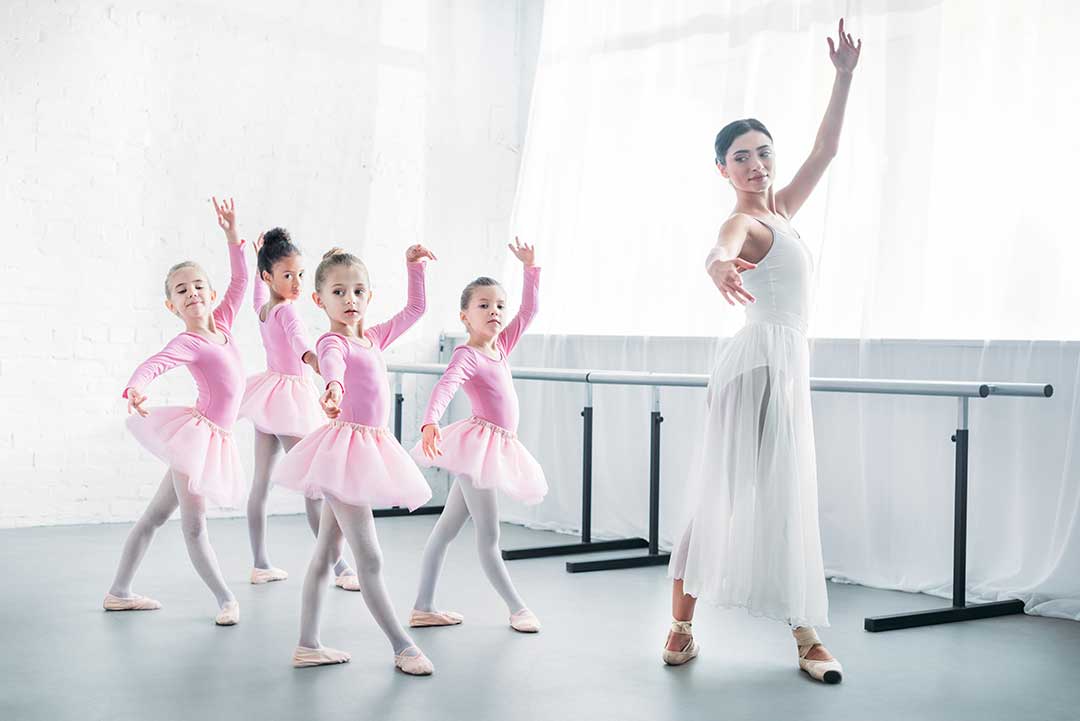
Mild tension is expected. Pain is a signal to change the position or stop.
Is more flexibility always better for dancers?
No. Excessive flexibility without sufficient strength can make it difficult to stabilize joints. Some dancers naturally have a large range of motion, while others have a more limited range because of anatomy, muscle structure, or previous injury. Neither situation automatically determines dance ability.
Trying to copy another dancer’s split, backbend, or extension can lead to unsafe comparisons. A position that feels comfortable for one person may place another person under excessive stress.
Healthy flexibility should be functional. That means the dancer can enter and leave a position with control, maintain appropriate alignment, and use the range of motion during actual movement. A slightly smaller range that is stable and repeatable may be more useful than an extreme range that cannot be controlled.
How should children and teens approach stretching?
Young dancers benefit from instruction that emphasizes body awareness and gradual development. Children should not be pushed, pressed, or forced into stretches by another person. Growth-related changes can temporarily affect balance, coordination, and flexibility, so a familiar movement may feel different from week to week.
Adults should also avoid assuming that age alone determines what is safe. A beginner returning to dance after years away may need more gradual preparation than an experienced dancer, regardless of age.
For all age groups, stretching should be paired with clear movement instruction. Dancers need to understand where they should feel the stretch, how to keep joints aligned, and when to reduce the intensity.
What is the difference between stretching and warming up?
A warm-up prepares the whole body for activity by gradually increasing circulation, temperature, coordination, and movement intensity. Stretching addresses mobility and muscle length, but it does not replace a complete warm-up.
A practical dance warm-up may begin with walking or gentle traveling movements, followed by joint mobility, easy dance patterns, and progressively more demanding actions. Static stretching alone may leave a dancer feeling temporarily loose without preparing the body for jumps, quick direction changes, or sustained effort.
This distinction is useful for local households managing busy schedules. Arriving just before class does not mean a dancer should immediately attempt deep stretches or powerful movements. A few minutes of calm, progressive preparation can make the transition into class more comfortable.
When should stretching pain be taken seriously?
Pain that is sharp, one-sided, persistent, or associated with swelling, bruising, weakness, or altered movement deserves attention. A dancer should not continue pushing through symptoms that worsen during practice or remain noticeable during ordinary activities.
Recurring pain may indicate that stretching is not the real solution. The issue could involve strength, technique, workload, footwear, recovery, or an underlying injury. In those situations, evaluation by a qualified healthcare professional may be appropriate, particularly if normal walking or daily movement is affected.
The most useful stretching routine is consistent, controlled, and suited to the dancer’s current needs. It should help movement feel more prepared and coordinated—not painful, competitive, or forced.