
 See My Latest Article on HelloNation
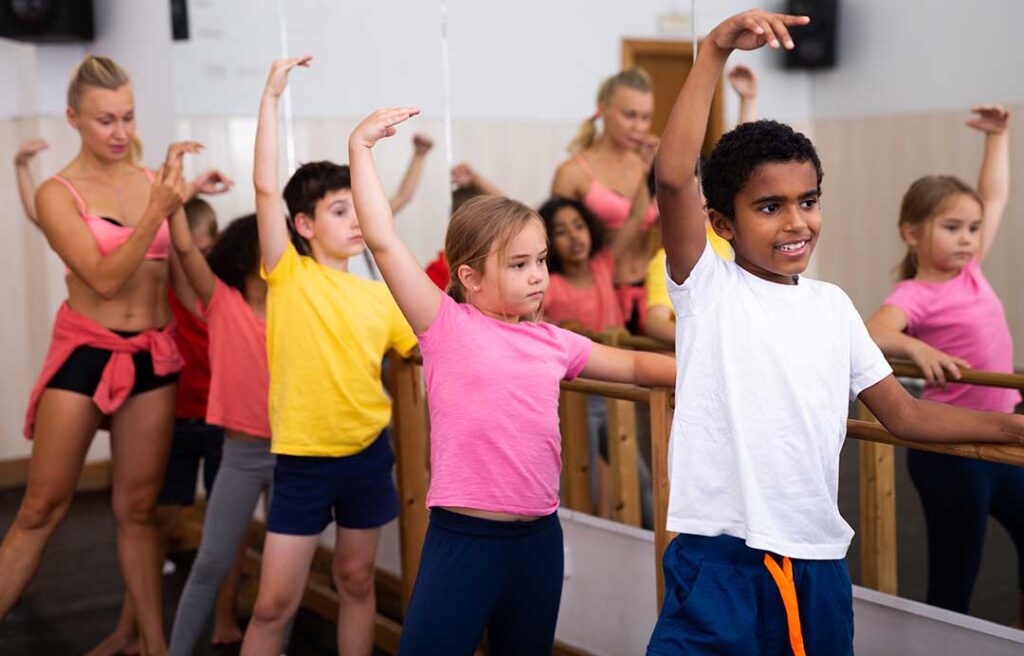
Starting a first dance class can feel unfamiliar, but the experience is usually more structured and welcoming than beginners expect. Most introductory classes focus on basic movement, simple terminology, body awareness, and getting comfortable in a shared studio space rather than performing perfectly.
What happens during a first dance class?
A first class commonly begins with a brief introduction, followed by a warm-up and a few foundational exercises. The instructor may explain class expectations, demonstrate basic positions, and describe how the lesson will be organized.
A typical class may include:
- A gentle warm-up for the muscles and joints
- Basic posture, balance, or foot-placement exercises
- Introduction to a few dance terms
- Short movement combinations
- Practice with music at a manageable pace
- A cool-down or review
The exact structure depends on the dance style and age group. A beginner ballet class may emphasize alignment and positions, while a hip-hop class may focus more on rhythm, coordination, and isolating different parts of the body. Ballroom, jazz, tap, contemporary, and creative movement classes each have their own vocabulary and pace.
Beginners are not expected to know where to stand, how to count every beat, or how to memorize combinations immediately. Learning how the class works is part of the first lesson.
What should you wear?
Wear clothing that allows comfortable movement and lets the instructor see general body alignment. The best choice is usually simple, flexible clothing rather than an elaborate outfit.
Useful options may include:
- Leggings, athletic pants, or fitted stretch pants
- A T-shirt, tank top, or comfortable athletic top
- Clean socks or the footwear required for the dance style
- Layers that can be removed as the body warms up
Some classes require specific shoes, while others begin barefoot or in socks. Street shoes are generally not appropriate for a dance floor because they can bring in grit, create excessive traction, or make movement less comfortable.
For a first visit, avoid clothing with bulky seams, restrictive denim, loose accessories, or slippery jewelry. Long hair is often easier to manage when tied back. In a colder climate such as Wisconsin, layers are useful for arriving comfortably and adjusting once the room becomes active.
If a class has a dress code, it is reasonable to ask about it before attending. Dress codes are usually intended to support safe movement, visibility, cleanliness, or consistency—not to make beginners feel excluded.
Do you need dance experience?
No. A true introductory class is designed for people who may have little or no previous training. Some participants may have danced before, but that does not mean everyone is expected to learn at the same speed.
A beginner may need time to understand:
- How to count musical phrases
- Which foot starts a movement
- How much space to use
- How to mirror an instructor
- How to remember a short sequence
These skills develop through repetition. It is normal to watch a combination several times before attempting it, to pause during practice, or to perform a simpler version while learning.
A common misconception is that dance ability depends mainly on natural flexibility or rhythm. Those qualities can vary, but coordination, timing, strength, and confidence are also trainable. Regular participation usually matters more than arriving with advanced physical skills.
How physically demanding is a first class?
The intensity depends on the style, class level, room temperature, and length of the session. Most first classes include moderate activity, but even a slower class can leave a beginner aware of muscles that are not used often.
Expect to move, stand, bend, balance, and repeat exercises. Some styles involve jumping, quick changes of direction, or floor work. Others place more emphasis on controlled movement and posture.
Before class, consider eating a light meal or snack that feels comfortable and drinking water. Avoid arriving dehydrated or immediately after a heavy meal. During class, take brief breaks when needed, especially if breathing becomes unusually difficult, dizziness develops, or pain feels sharp rather than like ordinary muscle effort.
Normal beginner sensations may include mild tiredness, warmth, and next-day muscle soreness. Pain that persists, worsens, or affects ordinary movement should not be treated as a normal part of learning.
What if you feel uncoordinated or self-conscious?
Feeling awkward during the first class is common. Dance requires the brain and body to process several tasks at once: listening to music, watching an instructor, controlling posture, remembering a pattern, and managing personal space.
A few habits can make the experience easier:
- Stand where the demonstration is easy to see.
- Focus on one movement at a time.
- Mark the steps gently before performing them fully.
- Keep moving through mistakes instead of stopping abruptly.
- Notice the rhythm before worrying about appearance.
- Compare current progress with your own starting point.
Most participants are concentrating on their own feet and timing rather than judging someone else. A class is a learning environment, not an audition, unless it is specifically described as one.
Instructors may offer corrections about posture, foot placement, or timing. Helpful corrections are intended to improve understanding and reduce injury risk. Asking for a movement to be demonstrated again is also a normal part of class.
How should parents prepare a child for a first class?
Children usually benefit from knowing what will happen before they enter the studio. Explain that the instructor will demonstrate movements, that other students may learn at different speeds, and that mistakes are expected.
A child may be more comfortable if they:
- Use the restroom beforehand
- Bring water if permitted
- Wear clothing that allows movement
- Know whether a parent will stay nearby or leave
- Understand that participation may begin gradually
Young children sometimes observe for several minutes before joining. That does not necessarily mean the class is going poorly. Watching can be a way to understand the room, instructor, and routine.
Families in Oak Creek may also need to account for seasonal travel conditions, winter layers, and extra time for changing shoes or outerwear. Arriving a little early can reduce stress and allow a child to enter the room calmly rather than rushing in from the weather.
What should you ask before enrolling?
A few practical questions can help match expectations with the class:
- What dance style and level is being taught?
- Is the class intended for complete beginners?
- What clothing and footwear are required?
- How long is each session?
- Are there age, mobility, or participation guidelines?
- Is the class focused on recreation, performance, technique, or social dancing?
- What happens if a participant misses a lesson?
It is also useful to ask whether the class includes jumping, floor work, partner contact, or other activities that may affect comfort. People with injuries, medical conditions, or mobility concerns may need individualized guidance from a qualified health professional before beginning vigorous activity.
What progress should you expect after the first class?
After one class, success may simply mean learning the room routine, recognizing a few terms, completing part of a combination, or feeling less uncertain than before. Noticeable improvement usually comes gradually through repeated practice.
Early progress often looks like:
- Better awareness of posture and balance
- Improved ability to follow counts
- Greater comfort moving with others
- Faster recognition of repeated patterns
- More confidence asking questions
- Less hesitation when trying unfamiliar steps
The first class is less about proving ability and more about discovering how the instruction, pace, and physical demands feel. A comfortable learning environment gives beginners room to build skill steadily while understanding what regular participation will require.